Ancient Bronze Indo Greek Coin
Indo-Greek Kingdom Coin
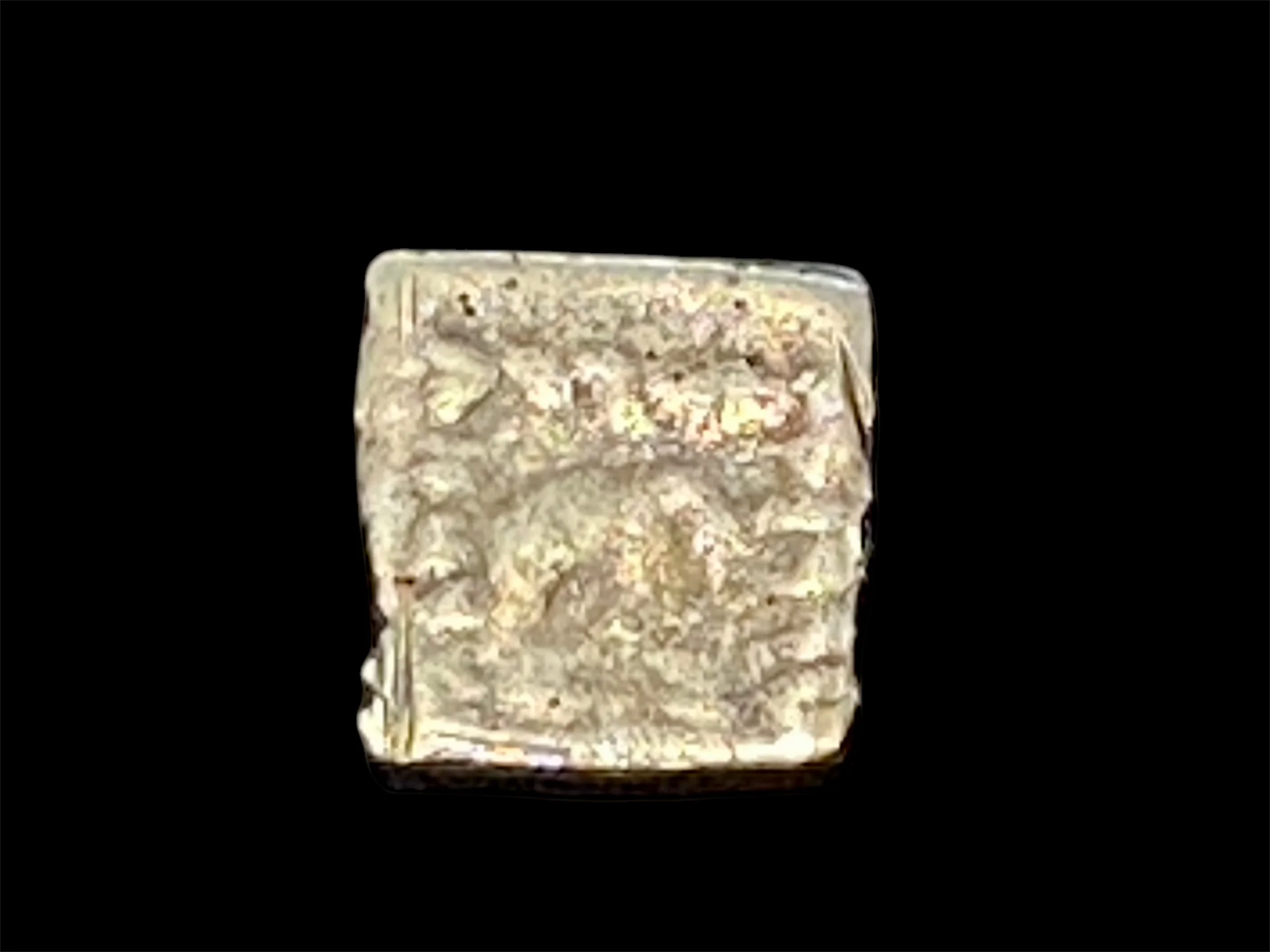
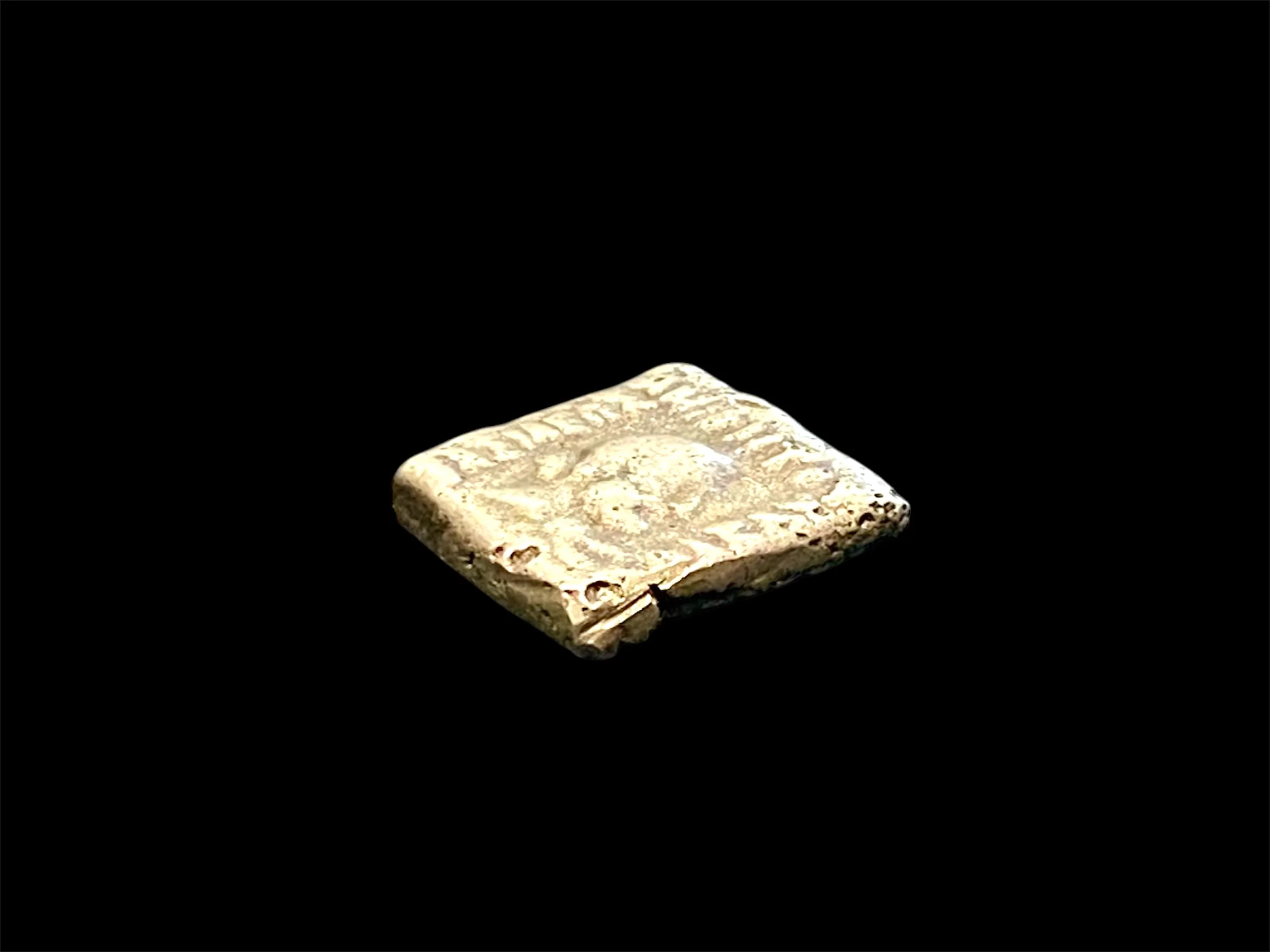
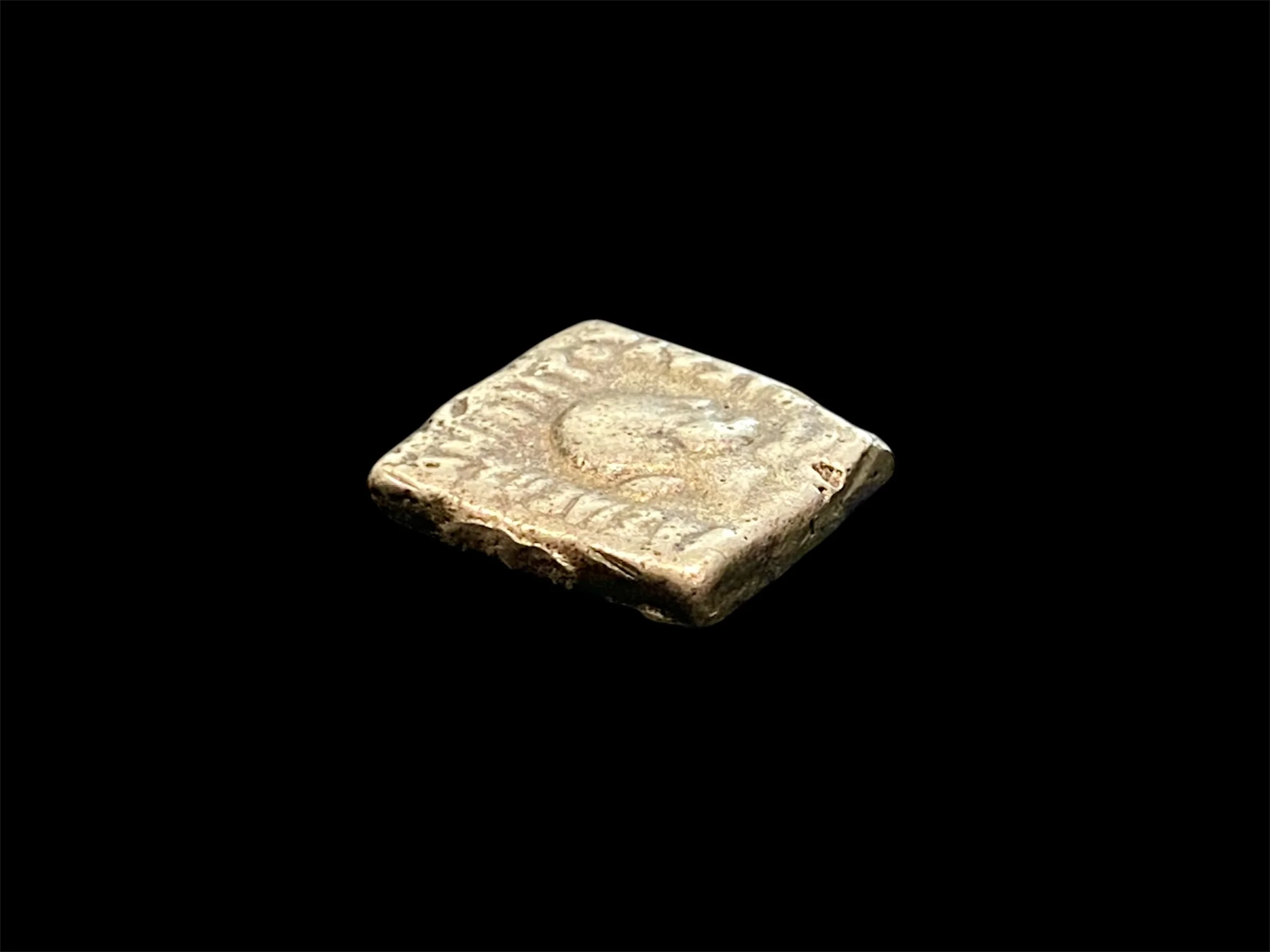
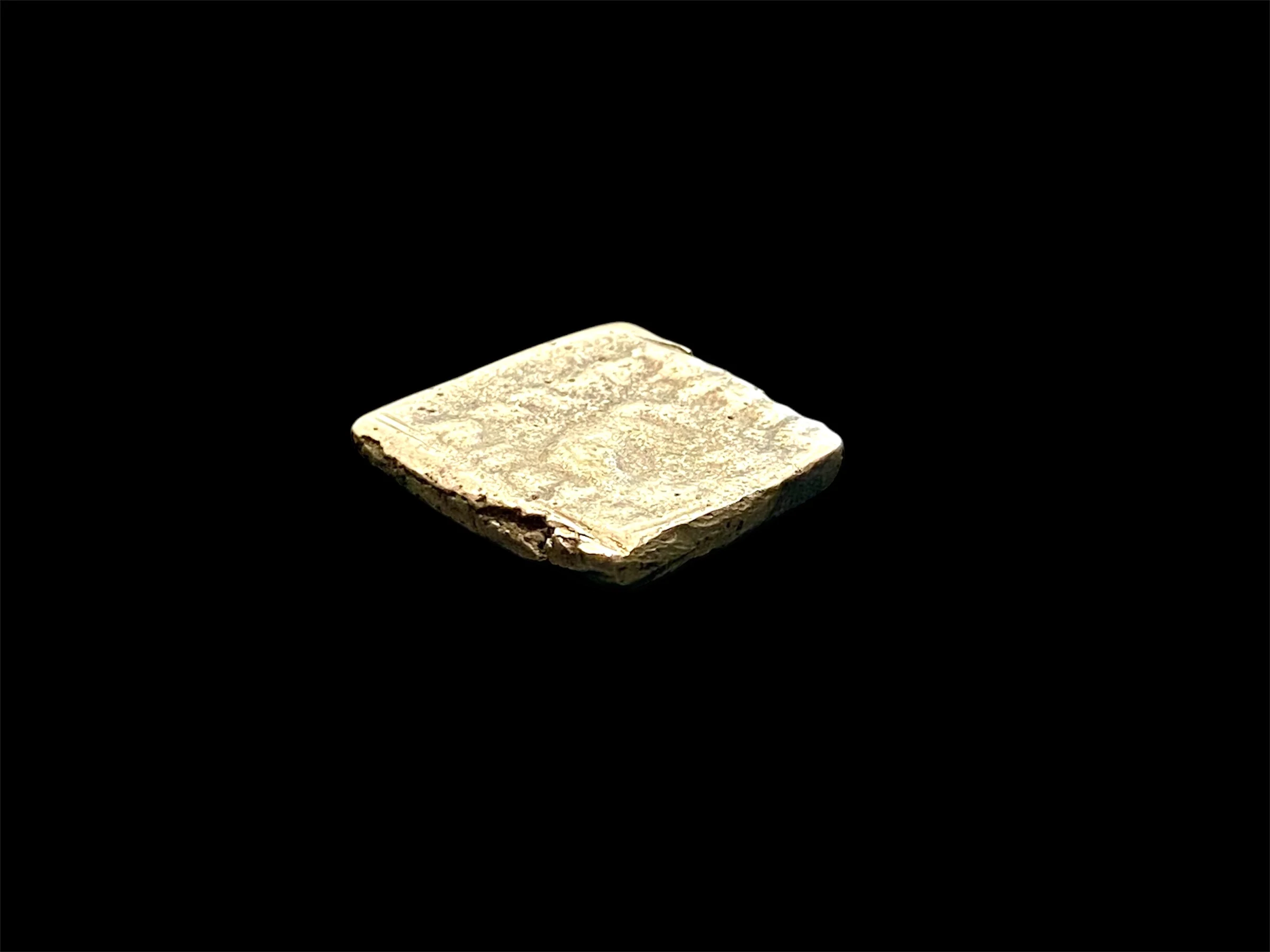
Indian square coin of King Lysias Anikeitos (c. 130-125 BCE, alternatively the dates 120-110 BCE are sometimes given for his reign), AE (bronze), called a square quadruple or hemi-obol coin.
Obverse: Bust of Herakles facing right, holding club on his left shoulder, with the Greek legend on three sides: BAΣIΛEΩΣ | ANIKHTOY | ΛYΣIOY (“Of the Invincible King Lysias”)
Reverse: Elephant standing right, monograms below, Kharoshthi or Gandhari (an Indic script) legend around three sides: Maharajasa | Apadihatasa | Lisikasa (“Of the Great Invincible King Lysias”)
Measurements: 19 x 18 mm, weight 7.48g, die axis: 12h
Light patina, good-fine.
Notes: The coins of Lysias are considered rare. According to Bopearachchi (see also the Wikipedia article for a summary table), Lysias was the king to follow Zoilus I in the Paropamisadae, an area now called eastern Afghanistan/western Pakistan. He is only known from his coins. Apart from some rare Attic weight drachms that were probably never in circulation, Lysias issued only silver drachms and bronze quadruples such as the one offered here.
References:
- Volume 12 of the Handbook of Greek Coinage (HGC) series, published by the Classical Numismatic Group, Inc.
- Ancient Indian Coins, 1998, O. Bopearachchi, W. Pieper
- The Coin Galleries: Indo-Greeks: Lysias (c. 120-110 BCE): https://coinindia.com/galleries-lysias.html
- Lysius Anikeitos https://en.wikipedia.org/wiki/Lysias_Anicetus
Product Information
Product Information
Shipping & Returns
Shipping & Returns
Ancient Bronze Indo Greek Coin
Ancient Bronze Indo Greek Coin
Indo-Greek Kingdom Coin
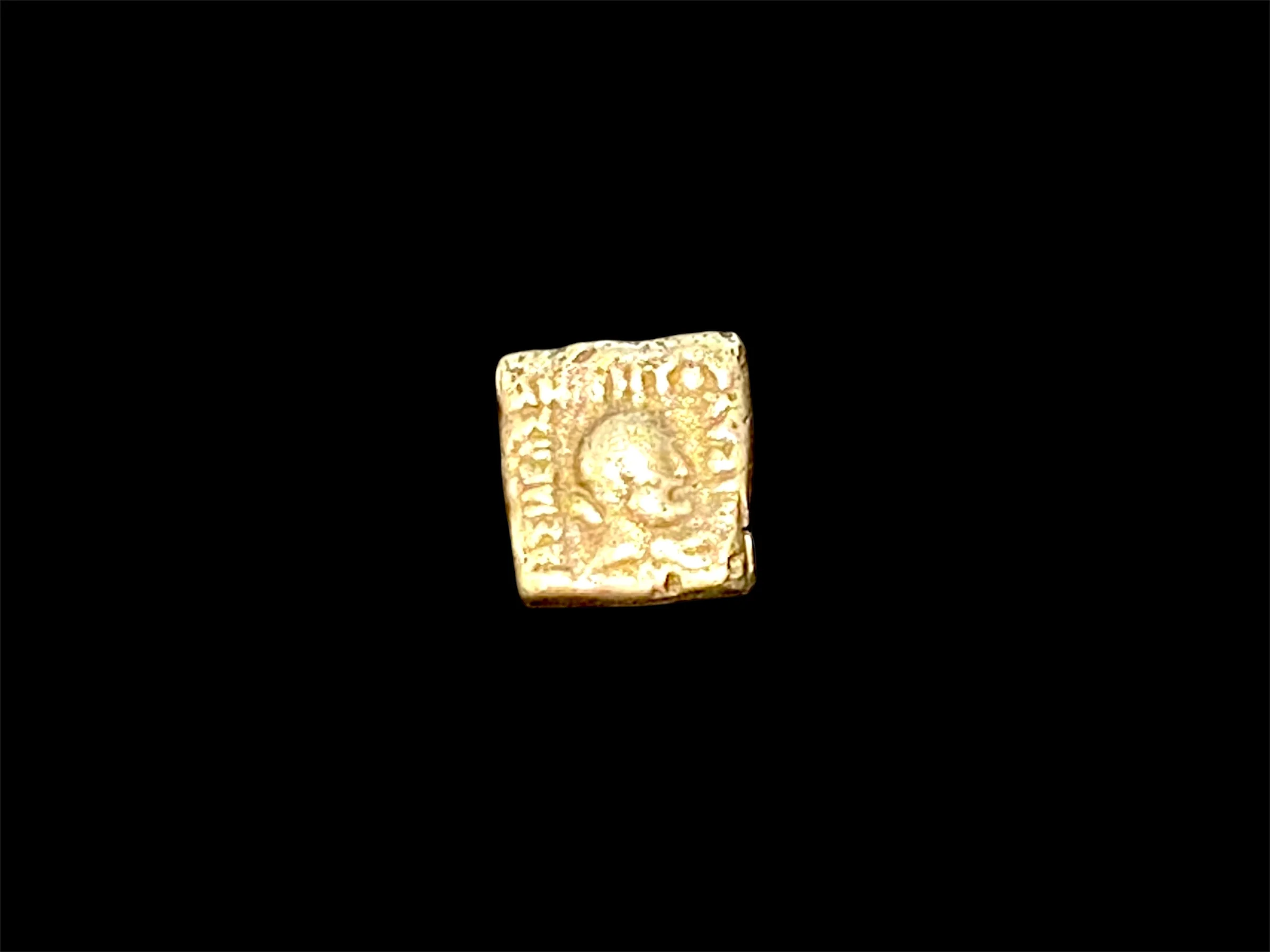
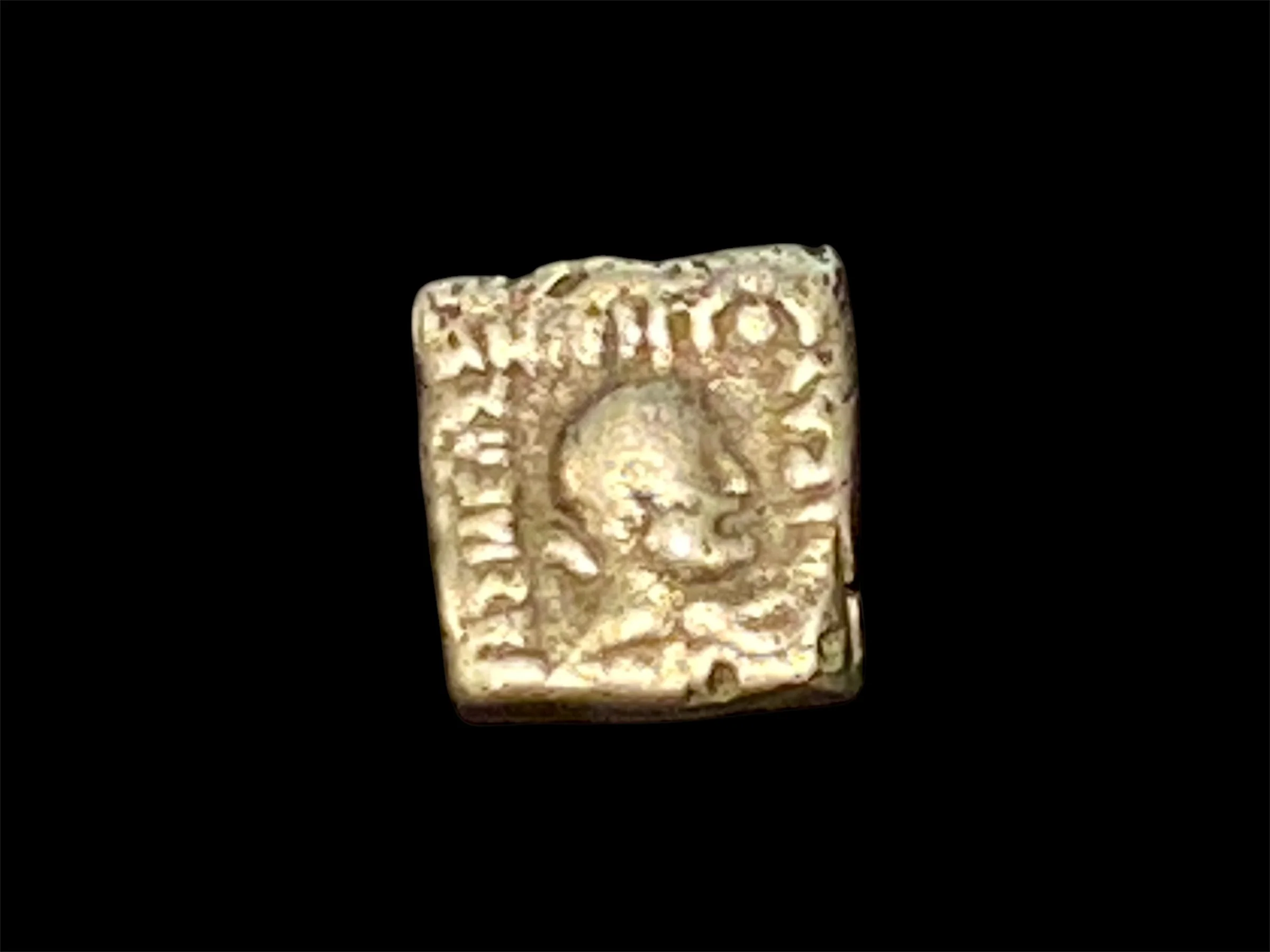
Indian square coin of King Lysias Anikeitos (c. 130-125 BCE, alternatively the dates 120-110 BCE are sometimes given for his reign), AE (bronze), called a square quadruple or hemi-obol coin.
Obverse: Bust of Herakles facing right, holding club on his left shoulder, with the Greek legend on three sides: BAΣIΛEΩΣ | ANIKHTOY | ΛYΣIOY (“Of the Invincible King Lysias”)
Reverse: Elephant standing right, monograms below, Kharoshthi or Gandhari (an Indic script) legend around three sides: Maharajasa | Apadihatasa | Lisikasa (“Of the Great Invincible King Lysias”)
Measurements: 19 x 18 mm, weight 7.48g, die axis: 12h
Light patina, good-fine.
Notes: The coins of Lysias are considered rare. According to Bopearachchi (see also the Wikipedia article for a summary table), Lysias was the king to follow Zoilus I in the Paropamisadae, an area now called eastern Afghanistan/western Pakistan. He is only known from his coins. Apart from some rare Attic weight drachms that were probably never in circulation, Lysias issued only silver drachms and bronze quadruples such as the one offered here.
References:
- Volume 12 of the Handbook of Greek Coinage (HGC) series, published by the Classical Numismatic Group, Inc.
- Ancient Indian Coins, 1998, O. Bopearachchi, W. Pieper
- The Coin Galleries: Indo-Greeks: Lysias (c. 120-110 BCE): https://coinindia.com/galleries-lysias.html
- Lysius Anikeitos https://en.wikipedia.org/wiki/Lysias_Anicetus
Product Information
Product Information
Shipping & Returns
Shipping & Returns
Description
Indo-Greek Kingdom Coin
Indian square coin of King Lysias Anikeitos (c. 130-125 BCE, alternatively the dates 120-110 BCE are sometimes given for his reign), AE (bronze), called a square quadruple or hemi-obol coin.
Obverse: Bust of Herakles facing right, holding club on his left shoulder, with the Greek legend on three sides: BAΣIΛEΩΣ | ANIKHTOY | ΛYΣIOY (“Of the Invincible King Lysias”)
Reverse: Elephant standing right, monograms below, Kharoshthi or Gandhari (an Indic script) legend around three sides: Maharajasa | Apadihatasa | Lisikasa (“Of the Great Invincible King Lysias”)
Measurements: 19 x 18 mm, weight 7.48g, die axis: 12h
Light patina, good-fine.
Notes: The coins of Lysias are considered rare. According to Bopearachchi (see also the Wikipedia article for a summary table), Lysias was the king to follow Zoilus I in the Paropamisadae, an area now called eastern Afghanistan/western Pakistan. He is only known from his coins. Apart from some rare Attic weight drachms that were probably never in circulation, Lysias issued only silver drachms and bronze quadruples such as the one offered here.
References:
- Volume 12 of the Handbook of Greek Coinage (HGC) series, published by the Classical Numismatic Group, Inc.
- Ancient Indian Coins, 1998, O. Bopearachchi, W. Pieper
- The Coin Galleries: Indo-Greeks: Lysias (c. 120-110 BCE): https://coinindia.com/galleries-lysias.html
- Lysius Anikeitos https://en.wikipedia.org/wiki/Lysias_Anicetus